
Projects
Palacio Sessa-Larrard
Built between 1772 and 1778 at the request of the Duke of Sessa, Viceroy of Catalonia, it passed into the hands of the Danish consul and wealthy banker Joan de Larrard in 1799.
Since then, this imposing palace of over 3,000 square metres has been known as “Palacio Sessa-Larrard”.
It is one of Barcelona’s most important examples of academic classicism.
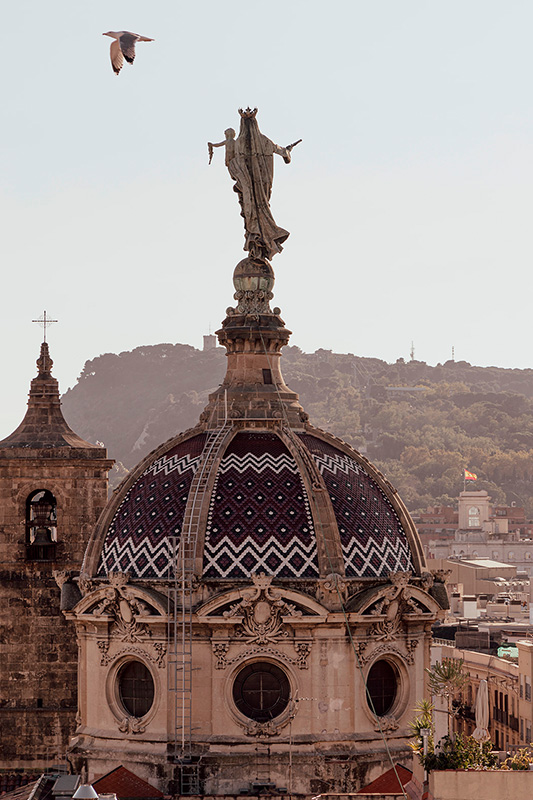
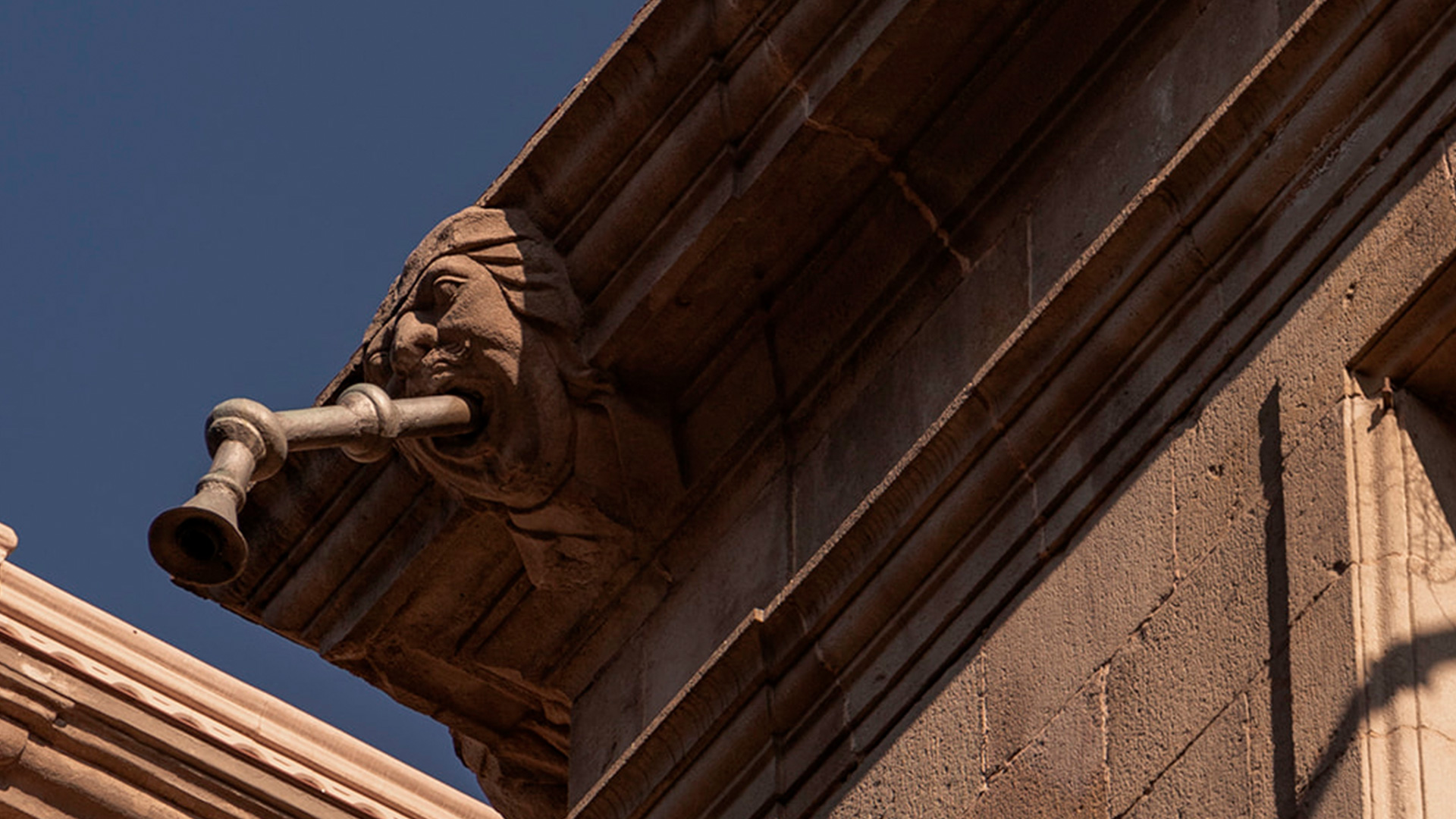
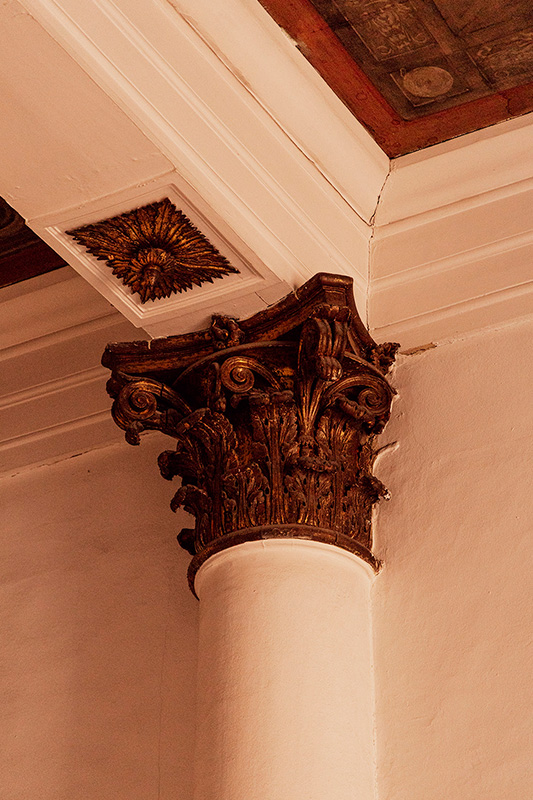
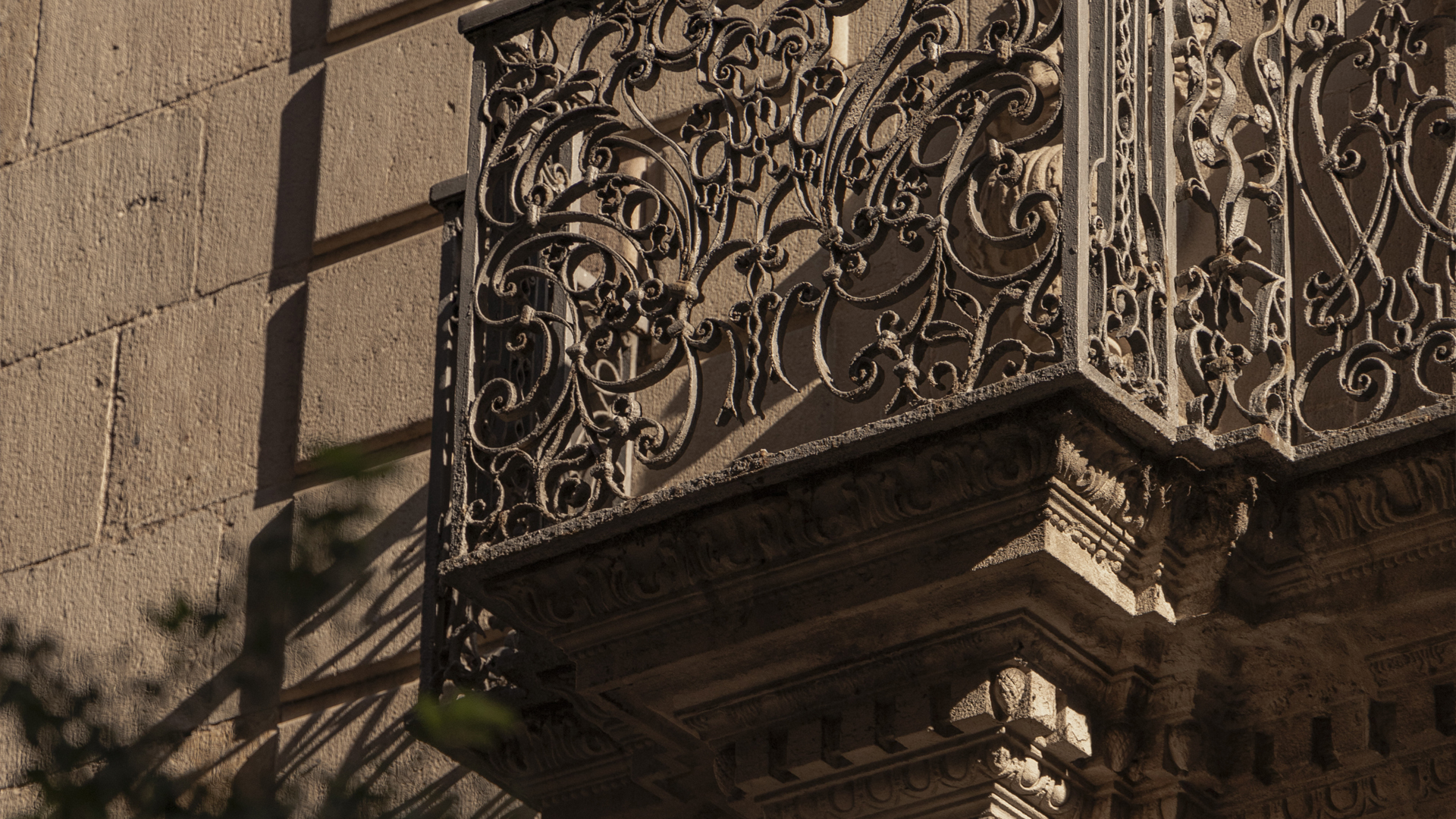
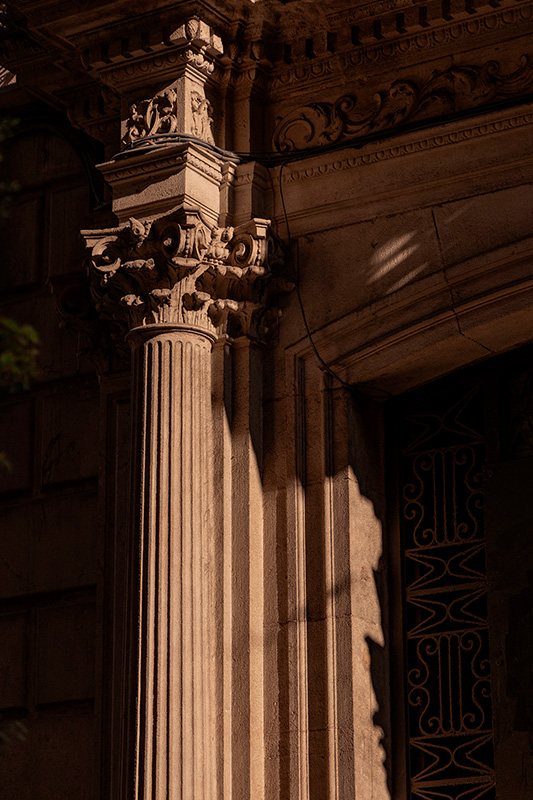
On the façade, Corinthian columns support – in front of pedestals – the balcony slab formed by entablature elements.
The balcony is framed by two pilasters and, at the top, the wrought iron balustrade follows a tangled pattern. All the decoration of the capitals and mouldings is based on classical models, and the ornamentation – full of flowers and fruit – forms an excellently composed and well thought out whole that contrasts with a façade devoid of ornamentation.
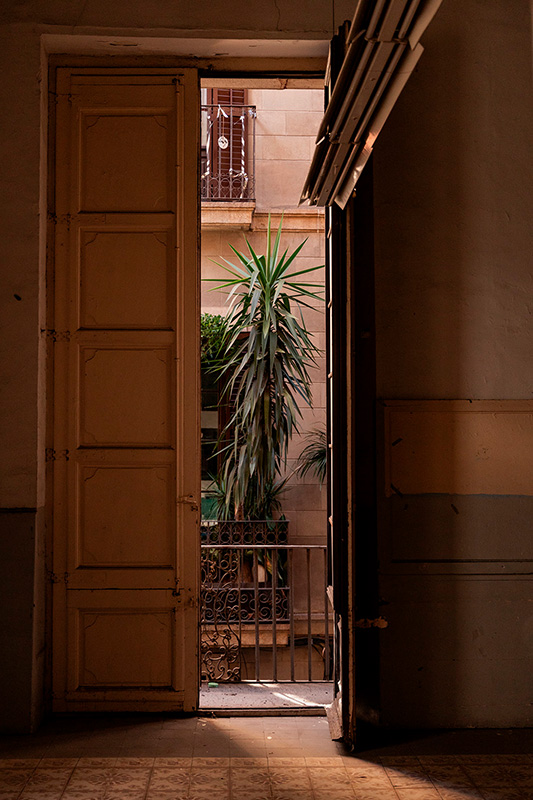
The main entrance, located on the main axis of Carrer Ample, leads to a large vestibule and a central courtyard, in which a noble staircase leads to the first level. The rest of the walls are decorated only by the portholes that illuminate the interior rooms.
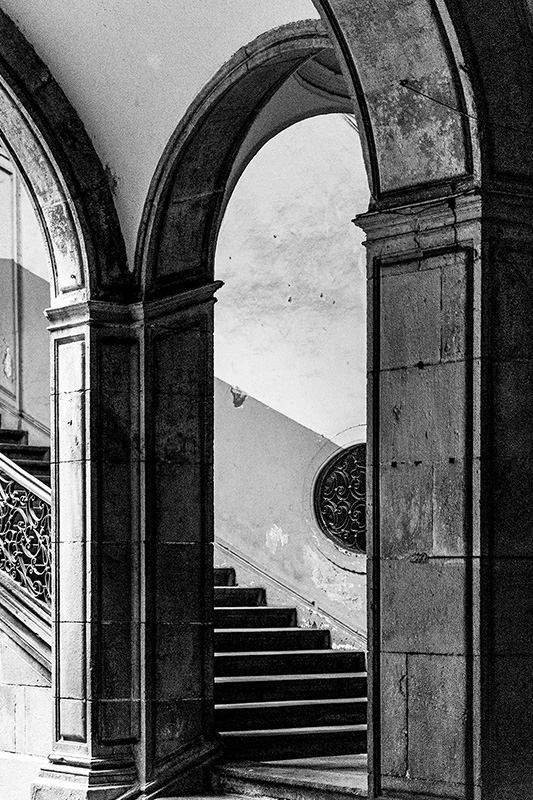
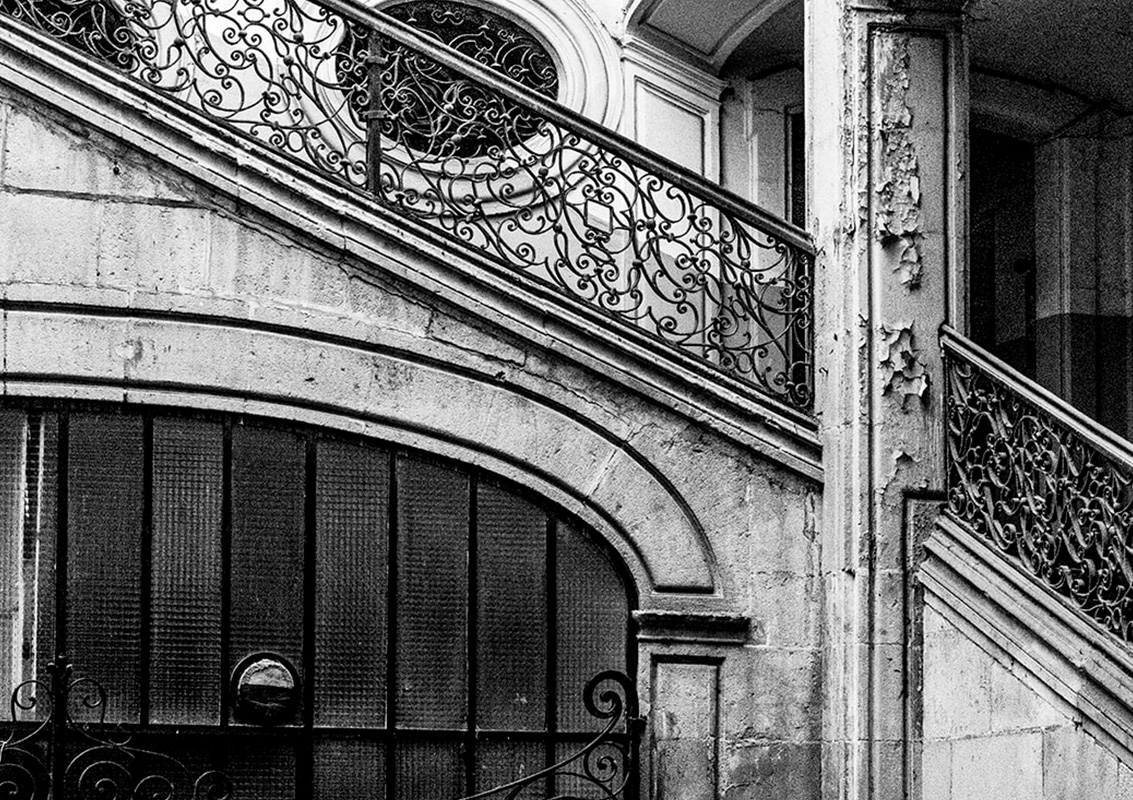
The doorway leading to the main hall is framed by marble pilasters and entablatures housing a basket of flowers and the Sessa-Larrard coat of arms.
The roof is dominated by a tower structure that has more than three floors in elevation and a transit area (viewpoint) at the top that crowns it. Access is via a staircase that runs through the interior.
Included in the Catalogue of Historical and Artistic Architectural Heritage of the City of Barcelona with a type B classification.